

The Ultimate Guide to Choosing the Right Forex Trading Broker
When venturing into the world of Forex trading, the choice of broker can make all the difference in your trading career. A reliable broker serves as the gateway to the Forex market, providing you with the necessary tools, resources, and support to make informed trading decisions. Therefore, it’s essential to choose wisely. In this guide, we will discuss some critical aspects to consider when selecting a Forex trading broker, including regulations, trading platforms, fees, and more. For more insights, visit forex trading broker ex-zar.com.
Understanding Forex Brokers
Forex brokers are financial institutions that act as intermediaries between retail traders and the interbank market. They provide trading platforms that allow individuals to buy and sell currency pairs. The primary role of a broker is to facilitate trades, execute orders, and provide various services, such as market analysis, educational resources, and trading tools.
Types of Forex Brokers
There are primarily two types of Forex brokers that traders can choose from: Market Maker Brokers and ECN (Electronic Communication Network) Brokers.
- Market Maker Brokers: These brokers create their market, filling orders themselves or taking the opposite side of a trade. They often offer fixed spreads and are ideal for novice traders.
- ECN Brokers: ECN brokers connect traders directly to the market, utilizing an electronic network to match buyers and sellers. They usually offer variable spreads and are preferred by experienced traders due to their transparency.
Regulation and Safety
One of the foremost factors to consider when choosing a Forex broker is regulation. A regulated broker adheres to strict guidelines set by financial authorities, ensuring a safer trading environment. Authorities like the Financial Conduct Authority (FCA) in the UK, the Commodity Futures Trading Commission (CFTC) in the USA, and the Australian Securities and Investments Commission (ASIC) provide oversight and protection for traders. Always check if the broker is regulated in your region, as this can safeguard your funds and personal information.
Trading Platforms
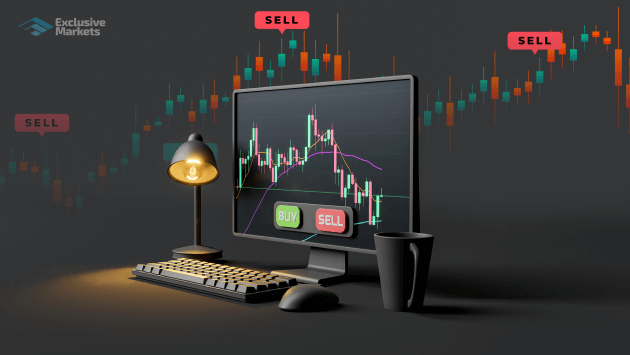
The trading platform is an essential component of your trading experience. Most brokers offer platforms like MetaTrader 4 (MT4) or MetaTrader 5 (MT5), which are popular for their user-friendly interfaces and advanced trading features. When selecting a broker, consider the platform’s functionality, ease of use, mobile access, and available trading tools. A good trading platform should provide you with real-time data, customizable charts, technical indicators, and automated trading capabilities.
Fees and Spreads
Trading costs can significantly impact your overall profitability. Brokers typically charge fees through spreads (the difference between the buying and selling price) or commissions per trade. Always compare the fees of different brokers to determine who offers the best value for your trading style. Some brokers may have zero commissions but wider spreads, while others may offer tighter spreads but charge a commission.
Customer Support

Reliable customer support is crucial, especially for new traders who may have questions or face issues with their accounts. Before settling on a broker, assess their customer service availability, response times, and the channels through which they can be contacted. Look for brokers that offer 24/7 support via multiple avenues such as live chat, email, and phone. Solid customer support can ensure that you receive timely assistance whenever you need help.
Available Currency Pairs
Different brokers offer varying selections of currency pairs. If you have specific trading strategies or prefer trading certain pairs, ensure that your chosen broker provides access to those pairs. Most brokers will offer major currency pairs such as EUR/USD, GBP/USD, and USD/JPY; however, if you’re interested in trading exotic pairs, confirm their availability beforehand.
Education and Resources
Educational resources can be incredibly beneficial, particularly for newer traders. A broker that provides educational materials, webinars, tutorials, and market analysis can help improve your trading skills and increase your chances of success. Look for brokers that invest in their clients’ education, as this indicates a vested interest in their traders’ development.
Conclusion
Choosing the right Forex trading broker is a critical step to success in the Forex market. By considering factors such as regulation, trading platforms, fees, customer support, and education, you can make an informed decision that aligns with your trading goals. Take your time to research different brokers and find the one that best fits your needs. Your broker is not just an intermediary; they can significantly influence your trading experience and success.