

The Future of Forex Algorithmic Trading
In recent years, Forex algorithmic trading has surged in popularity, revolutionizing the way traders approach the foreign exchange market. As technology continues to evolve, the tools available to traders have become more advanced, allowing for increased efficiency and strategic thinking. This article delves into the intricacies of Forex algorithmic trading, its benefits, potential risks, and future trends. For those interested in further resources, forex algorithmic trading Trading Asia is an excellent platform for insights and tools.
What is Forex Algorithmic Trading?
Forex algorithmic trading refers to the use of computerized systems to execute trades in the foreign exchange market. These systems rely on algorithms—sets of rules or instructions based on mathematical models—to determine trading opportunities. The primary advantage of algorithmic trading is its ability to execute trades at lightning speed and with precision, often capitalizing on minute price movements that may go unnoticed by human traders.
Key Components of Algorithmic Trading
Successfully engaging in algorithmic trading hinges on several essential components:
- Data Analysis: Algorithmic trading strategies rely heavily on historical data analysis. Traders utilize quantitative analysis to identify profitable patterns.
- Programming Skills: Understanding programming languages such as Python, R, or C++ is crucial, as traders will often need to write and optimize their algorithms.
- Backtesting: This process allows traders to evaluate the performance of trading algorithms using historical data before executing them in live markets.
- Risk Management: An essential aspect of any trading strategy, effective risk management parameters help to mitigate potential losses.
Types of Forex Trading Algorithms
There are various types of algorithms used in Forex trading, each with its unique strategies and objectives:
- Trend Following Algorithms: These algorithms identify and capitalize on emerging trends in the market by buying or selling based on price movements.
- Mean Reversion Algorithms: These traders operate under the assumption that prices will revert to their historical averages, automatically executing trades when prices deviate significantly from the mean.
- Arbitrage Algorithms: These are used to exploit price discrepancies across different markets or exchanges, enabling traders to profit from these differences.
- Market Making Algorithms: Market makers provide liquidity to the market by placing both bid and ask orders, aiming to profit from the spread between these orders.
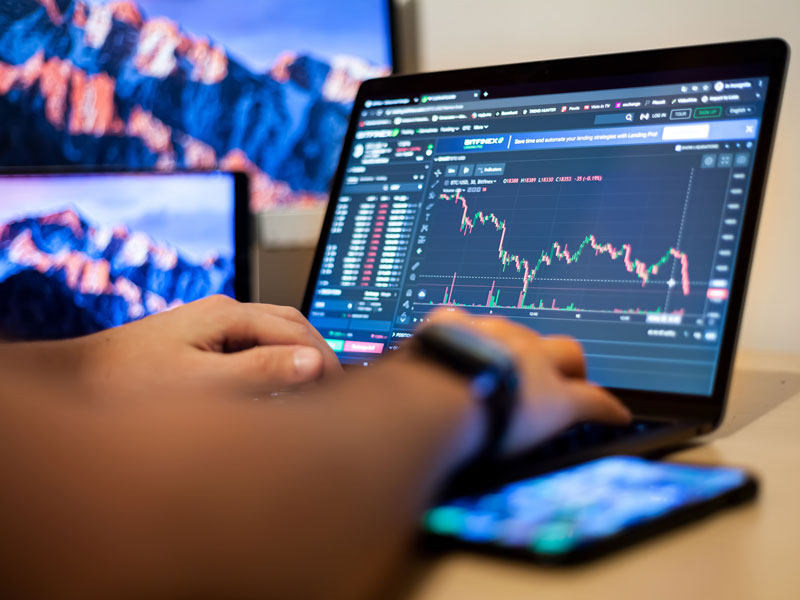
Benefits of Algorithmic Trading
The advantages of algorithmic trading are numerous:
- Speed: Algorithms can analyze market data and execute trades much faster than human traders.
- Accuracy: By eliminating emotional decision-making, algorithms can minimize mistakes and ensure that trades are executed at the optimal price.
- Backtesting: Traders can refine their strategies before implementing them in the real world, increasing their chances of profitability.
- 24/7 Trading: Algorithms allow traders to participate in the market at all hours without constant monitoring, capitalizing on opportunities even when they are asleep or occupied.
Challenges and Risks in Forex Algorithmic Trading
Despite its advantages, Forex algorithmic trading is not without challenges:
- Technical Failures: Software glitches or connectivity issues can lead to unexpected losses, emphasizing the importance of effective monitoring.
- Market Volatility: Rapid fluctuations can cause algorithms to execute trades that may not align with the trader’s intended strategies, leading to losses.
- Overfitting: Traders must avoid tailoring algorithms too closely to historical data, which can result in models that perform poorly in real-time markets.
- Regulatory Challenges: As the landscape of Forex trading evolves, so do the regulations. Traders must stay informed about compliance to avoid pitfalls.
The Future of Forex Algorithmic Trading
As we look ahead, several trends are likely to shape the future of Forex algorithmic trading:
- Increased Use of Machine Learning: The integration of artificial intelligence and machine learning will allow algorithms to adapt to market conditions in real time.
- Enhanced Accessibility: As trading platforms become more user-friendly, more individuals will have the ability to develop and deploy their algorithms.
- Focus on Ethical Trading: As algorithmic trading becomes more prevalent, there will likely be an increased emphasis on ethical considerations in developing and implementing algorithms.
- Collaborative Trading Platforms: The rise of social trading platforms will enable traders to share strategies and collaborate, which can enhance algorithm development.
Conclusion
Forex algorithmic trading presents a compelling solution for modern traders aiming to optimize their strategies in a dynamic environment. By understanding its components, benefits, and risks, traders can enhance their approaches for sustained success in the Forex market. As technology continues to evolve, staying informed about emerging trends will be crucial for leveraging the full potential of algorithmic trading in a competitive landscape.